

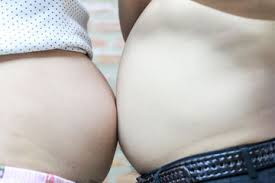
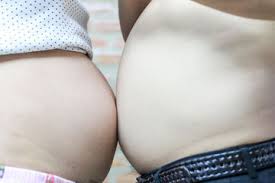
 Here’s adding more to the side-effects of obesity! Women who are obese and overweight take 59% longer to conceive as compared to their non-obese counterparts, findings of a new study has revealed.
While numerous studies have studied the link between infertility and weight in females, the study clearly looks into the weight issues of both partners. According to the findings published in the Journal Human Reproduction. “A lot of studies on fertility and body composition have focused on the female partner, but our findings underscore the importance of including both partners. Our results also indicate that fertility specialists may want to consider couples’ body compositions when counselling patients,” said Rajeshwari Sundaram, a senior investigator in the Division of Intramural Population Health Research at NIH’s Eunice Kennedy Shriver National Institute of Child Health and Human Development.
For the purpose of the study, researchers looked at 501 couples from Michigan and Texas from 2005 to 2009. While the women ranged from 18 to 44 years of age, the men were all above 18 years.
Women were asked to keep record of their monthly menstrual cycles, intercourse and the results of the home pregnancy tests. All couples were followed until pregnancy or for up to one year of trying to conceive.
The participants were divided into two groups on the basis of their weights. In the first group participants with a BMI between 30 and 34.9 were placed. These were called Obese I. Obese Class II were couples with a BMI of 35 or greater.
While 84 men and 228 women were in Obese I group, 75 men and 69 women were in Obese II group. Researchers compared the average time to achieve a pregnancy for both groups. Findings revealed that women in Obese II group took 59% longer to conceive than the couples in Obese I group.
