

Traditionally chemotherapy and radiation were used to treat the cancer cells to kill them but now scientists have found out that a new drug combination can increase chances of survival of soft-tissue cancer cases.
A recent study has suggested that people who are suffering from sarcoma, a life threatening soft-tissue cancer can be treated by adding a new monoclonal antibody therapy, along with chemotherapy treatments, that are traditionally used. This increased the survival chances of advanced sarcoma cases by almost a year, states the research team at Columbia University Medical Center and NewYork-Presbyterian. After more than ten years of research the results from this “multicenter clinical trial of the combination therapy”, has revealed a sign of improvement in the deadly sarcoma.
According to Gary K. Schwartz, the study leader, “We estimated from preclinical data that the new drug–olaratumab–might improve survival in these patients by a few months, but the extent of the improvement exceeded everybody’s expectations. While sarcoma remains a fatal disease, we’re encouraged that we’re on the right track and hope to build on this progress.”
Surgical intervention can treat sarcomas effectively but only if they are caught on time. Metastatic development of the cells and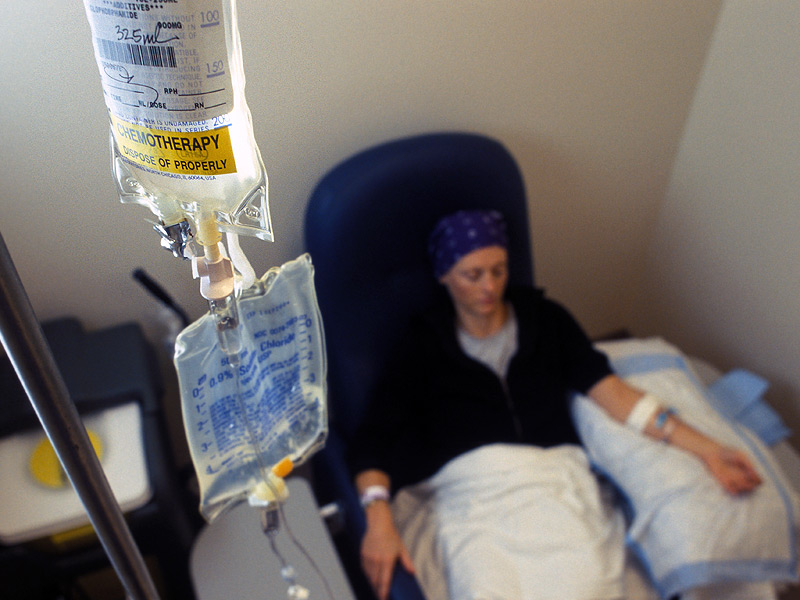 disease progression can be reduced to a certain extent with the help of chemotherapy but survival chances do not improve that much if the disease has been confirmed to be in “advanced stages”, after this the median survival time may just be 12-16 months, say the researchers.
Schwartz and his colleagues confirm that “Sarcomas are complex. There are, in fact, multiple receptors on the cell surface. PDGFR-alpha is just one of the receptors that are over expressed on sarcoma cells. We now have some ideas about how to combine drugs that block multiple types of these receptors, which will probably be more effective, that targeting a single type of receptor.”
To understand details of the study you can read it online in The Lancet.
