

“Contemptible”, “Tawdry”, “irresponsible” and “fanning flames of prejudice” are the comments that Theresa May ,Home secretary of UK has received after her recent speech in Manchester to the Tory Party or the “nasty party” as some call it. She had given a blistering speech to “rip up the existing asylum rules” as they say. “People who have “spurned the chance to seek protection elsewhere” will not have an automatic right to stay in the UK,” stated Theresa May. She preferred “helping the most vulnerable people in the world’s most dangerous places”. That sounds a tad stiff doesn’t it?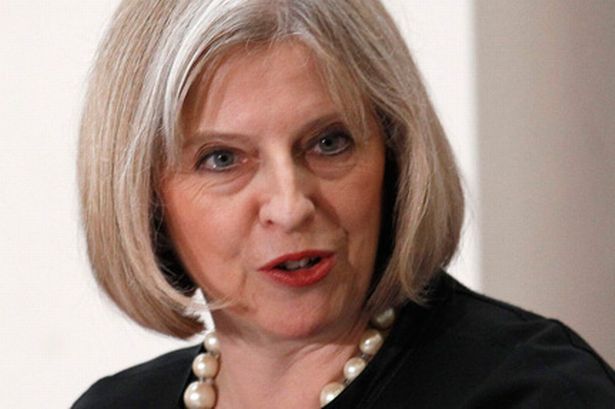
Theresa May’s speech left behind mixed emotions and the Guardian commented that her immigration comments marked a “new low in the politics of migration”. According to The Independent her speech was an attack on the immigrants and this confession had led to universities, business leaders, refugee groups and NHS chiefs to show displeasure at her views regarding immigration. Mrs. May has stated that her new immigration approach is definitely “humane for those who need our help, tough on those who abuse it.” Known to be siding the truth Theresa May had actually talked straight, it seems.
Mrs May addressed the commentariat with something they were not happy to hear, and she claimed “When immigration is too high, When the pace of change is too fast, it’s impossible to build a cohesive society. It’s difficult for schools and hospitals and core infrastructure like housing and transport to cope. And we know that for people in low-paid jobs, wages are forced down even further while some people are forced out of work altogether.”
The immigrants need to be admired and respected for heading overseas for the sake of their families and definitely bring newer ideas and thinking across the borders, but the fact is that there are nearly 700,000 illegal immigrants and 2.6 million legal migrations traveling to UK. Mrs. May stated that they are not shutting door to immigrants who are capable of exchanging views in the parent language but says “arrival of so many people, often from very different cultures, often not speaking a word of English, has not affected this country, and not always for the good”.
She feared that the larger number of immigrants into the country, the more trouble they would face in assimilating and integrating into the new country. She feared that the new immigrations never accept the new culture and country as their home and have a tendency to shift to areas where there are many of their kinds setting up “separate communities.” Any comments on this?
