

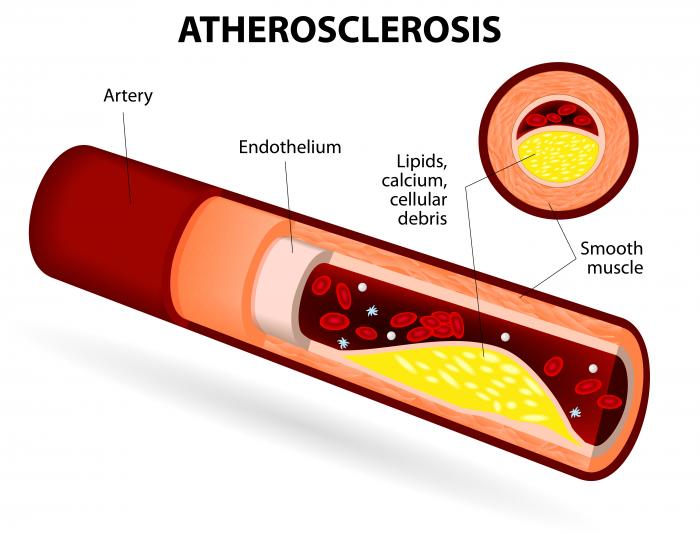
Researchers are at their best again and a study that has been carried out on almost 2000 people shows that common heart conditions may be the reason for brain damage linked with dementia in people as young as 40 years. The scientists have stated that if the hardening of the arteries is kept under check, it may help pick up chances of Alzheimer’s disease, years before the symptoms show up. 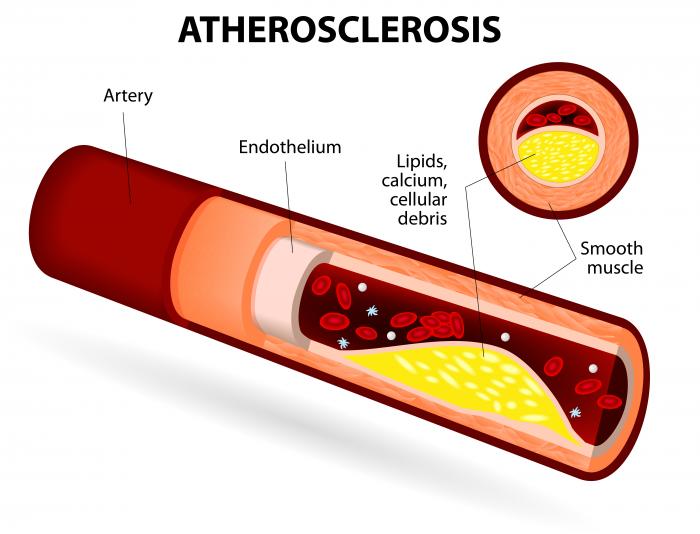
New research carried out on basis of the Framingham Heart Study, has confirmed that Alzheimer’s disease may be discovered nearly 10 years before warning indicators show up, by just keeping a check on atherosclerosis or hardening of the arteries. The study was conducted on nearly 2000 people and researchers found that common heart conditions may have a link with dementia associated with brain damage, and this may occur in people as young as 40 years.
This discovery may help doctors predict the patients who may develop this mental disorder later on in life and they may advice drugs or lifestyle changes to slow down the process. For research purposes the patients had to undergo brain MRI’s, and a complete arterial tonometry or a blood pressure examination for the study.
Lack of exercise, Smoking, high blood pressure, obesity or over weight, a high-fat diet, having diabetes, or high cholesterol causes blockage in the arteries and they end up bunged up with plaques or fatty deposits. The heart then has to work very hard to pump the blood to the different organs in the body because it is a tough job to push blood through the stiff arteries. This condition is medically termed as atherosclerosis. The stiffer the arteries more will be the effort made by the heart to pump blood.
According to Dr Pauline Maillard, the Neurologist working at the University of California at Davis, stated : “This study shows for the first time increasing arterial stiffness is detrimental to the brain, and that increasing stiffness and brain injury begin in early middle life, before we commonly think of prevalent diseases such as atherosclerosis, coronary artery disease or stroke having an impact. These results may be a new avenue of treatment to sustain brain health.” Dr Maillard further stated that “Measures of arterial stiffness may actually be a better measure of vascular health, and should be identified, treated and monitored throughout the lifespan.”
Now atherosclerosis has been termed as a risk factor that can influence Alzheimer’s, as the condition causes the blood pressure to rise because of which the blood vessels carrying blood to the brain can be damaged. The carotid femoral pulse wave velocity was used to measure the blood force flow to the brain and the higher the CFPWV reading more would be the injury to the brain, said the researchers.
The study details have been published in Stroke found higher ‘stiffness’. The researchers emphasize a need for “primary and secondary prevention of vascular stiffness and remodeling as a way to protect brain health.”
