

Radiation therapy combined with two experimental drugs constituting the triple therapy treatment, may help cure the lung cancers that were showing a resistance to the treatments currently being used, stated a new study.
Researchers have developed a triple therapy treatment to treat resistant lung cancers and in this they use two experimental drugs along with radiation. Reports state that the researchers have claimed that the common non-small cell lung cancer called NSCLC has “seen major treatment advances in some genetic subtypes, but other subtypes continue to evade effective treatment”.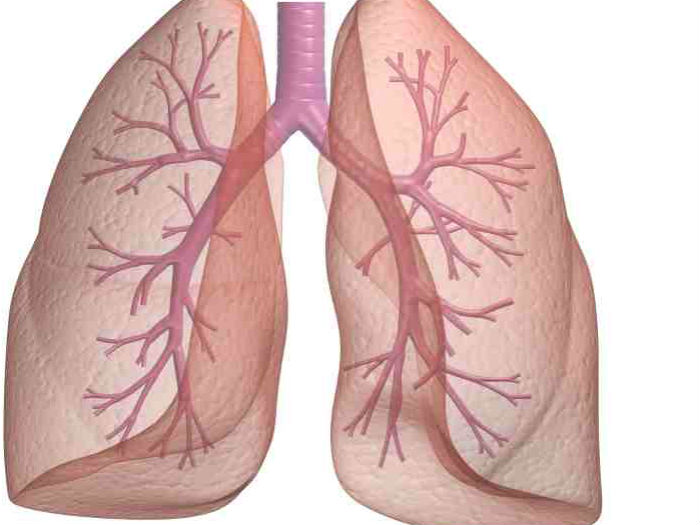
The Researchers also claim that nearly 85% of lung cancer cases fall in NSCLC category. A lot of research has been done in treating NSCLC cases but the fact remained that after treatment also only about 2% of the cancer survivors lived beyond 5 years. There are medicinal drugs developed that were used to treat the EFGR – and ALK- mutated subtypes to a certain extent but NSCLC types that showed mutations in the gene “KRAS” have shown a resistance to the “conventional and targeted therapies.”
According to Bo Lu, Professor of Radiation Oncology at Thomas Jefferson University in US “Currently there is a clinical trial underway to evaluate the combination of two cancer drugs, trametinib and palbociclib, made by two pharma companies for patients with solid tumors and melanoma. Although further research in human subjects is needed to confirm the finding, our study suggests that we may be able to identify non-small cell lung cancer patients who are likely to benefit most from this combination of therapies,” said the scientist.
The KRAS-mutant subset in the NSCLC cells was studied by the researchers and they discovered a variation within the subset showing resistance to a drug targeting the KRAS gene pathway when compared with others. This was mainly due to an extra mutation in the p16 protein.
The researchers scanned genotypes of lung cancer patients and they deduced that patients who showed mutation in the protein p16 had a lower survival rate than the people who did not show the mutation.
The researchers decided to combine the KRAS targeting medicine with another drug so that the effect of the mutation of the p16 protein could be dealt with. This was done so that the KRAS mutations which were treatment resistant showed a response to the new therapy.
The two experimental drugs which were used as a combination used will prompt the cancer cells opposed to treatment to accept radiation therapy. Now the researchers will find it easier to categorize the patients who may respond to the triple-therapy treatment.
Details of the study can be studied in the journal Clinical Cancer Research.
